 Business License

Application of Adhesive PP Material in Insulating Glass Warm Edge Spacers
In the specific application of warm-edge spacers for insulating glass, the core role of adhesion-modified PP material is as the thermal-break main body, and its real challenge lies in maintaining reliable adhesion to stainless steel over long-term service.
Positioning of the Material System
The design logic of stainless steel composite warm-edge spacers is "division of labor and cooperation": stainless steel provides airtightness, watertightness, and structural strength, while low-thermal-conductivity PP material is responsible for blocking the thermal bridge. Compared with traditional aluminum spacers, this combination can significantly reduce heat conduction at the edge of insulating glass, with an equivalent thermal conductivity as low as 0.44 W/(m·K).
Why Must It Be "Adhesion-Modified" PP?
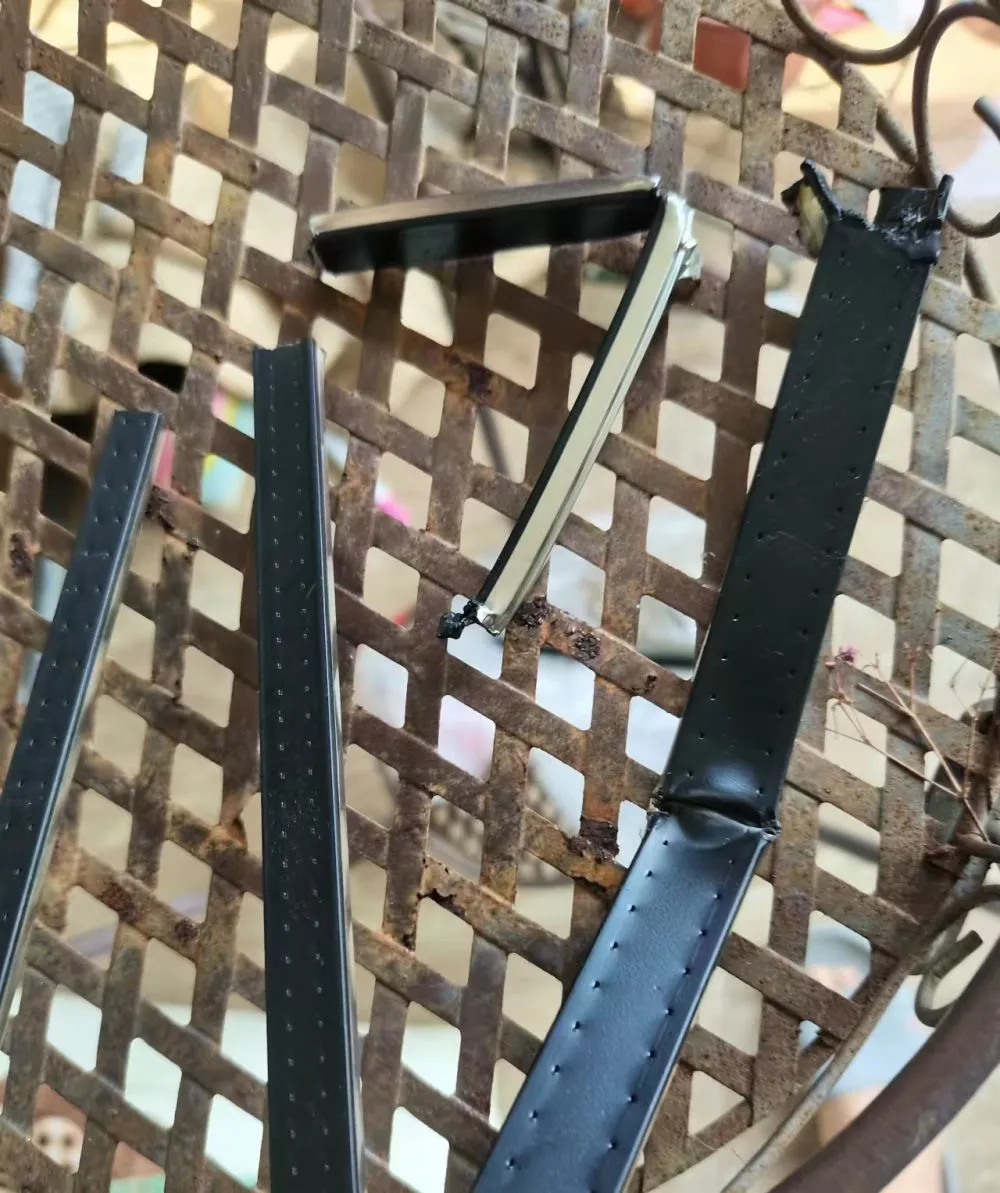
The structural logic of warm-edge spacers is that "each part performs its own function": ultra-thin stainless steel wraps around both sides and the back, providing airtightness, watertightness, and bendable metallic rigidity, while PP material acts as the "bridge" in the middle, blocking heat conduction between the stainless steel layers.
This imposes a demanding requirement on PP material: it must form a sufficiently strong interfacial bond with stainless steel. If adhesion is poor, delamination or separation between PP and stainless steel may occur during subsequent bending processes or long-term use, causing the spacer structure to fail and resulting in loss of airtightness. Therefore, ordinary PP is not suitable, and the industry generally adopts modified "adhesion-modified PP."
Two Approaches to Achieving Adhesion
Current technical solutions are mainly divided into two categories:
First, self-adhesion modification of the material itself. By introducing adhesive components into the PP matrix, it can form an effective bond with stainless steel without relying on an additional adhesive layer, thereby improving its affinity with the metal interface.
Second, an independent adhesive layer. A layer of polyolefin-based adhesive is introduced between the stainless steel and PP, formed through a hot-and-cold co-extrusion process. However, this approach has inherent drawbacks: the adhesive has poor flowability and is prone to uneven distribution, resulting in unstable adhesion and easy cracking during bending.
Key Points of Process Coordination
Adhesion also depends on coordination with the processing technology. The stainless steel contact surface is usually designed in a corrugated shape or subjected to surface treatment to increase the mechanical interlocking area. In the co-extrusion process, temperature must be controlled so that the PP fully wets the stainless steel surface in the molten state, forming a stable bond after cooling.

Contact Us
Recommended Products
-
 Modified Polypropylene Excellent Adhesion to Stainless Steel Good Strength Used Stainless Steel Composite Warm -edge Strips .NegotiableMOQ: 25 Kilograms
 -
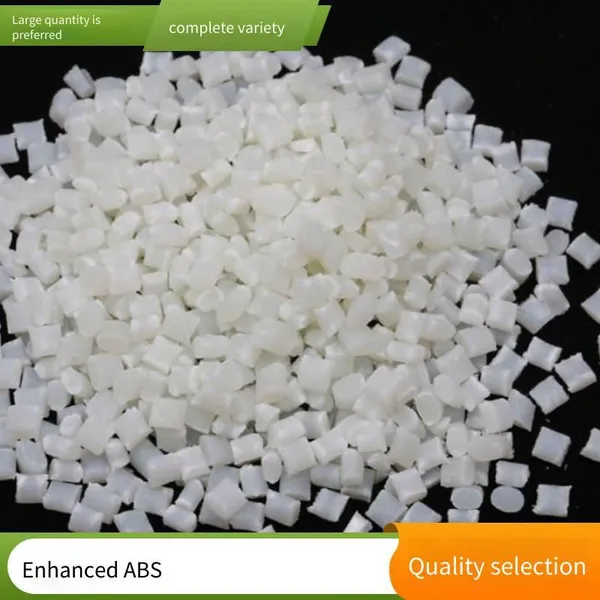
Reinforced Abs, 10-30% Glass Fiber Reinforced, Good Rigidity, Electrical Appliance Shells, Kitchen Press DicerNegotiableMOQ: 25 Kilograms
-
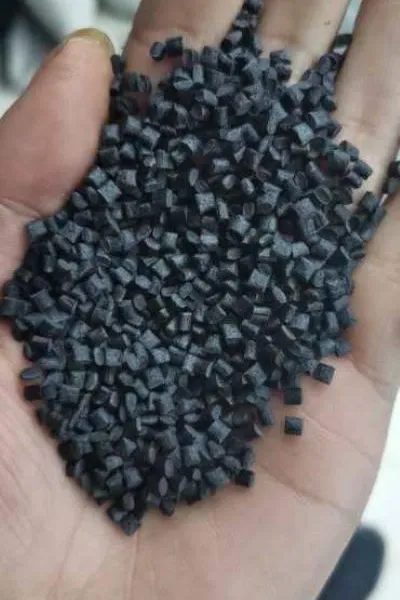
Modified Nylon Plastics, Impact-resistant, Good Surface,rebound Without DeformationNegotiableMOQ: 25 Kilograms
-
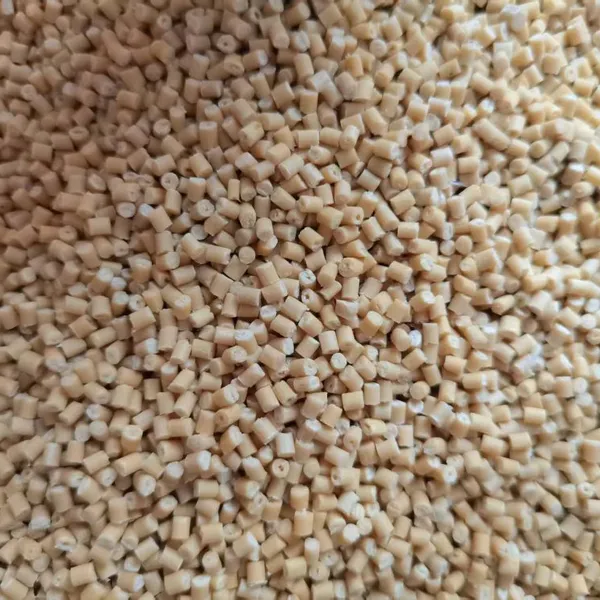
Pok Plastic, Glass Bead Reinforced 30%, Abrasion Resistant, Dimensionally Stable, Corrosion ResistantNegotiableMOQ: 25 Kilograms
-
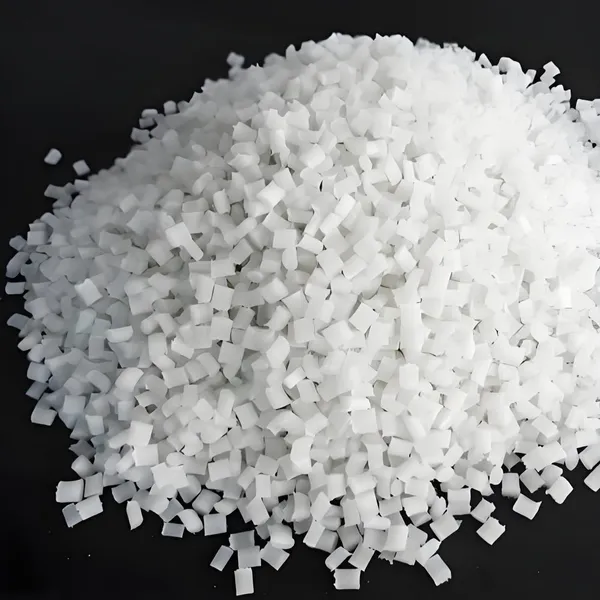
PA66 Modified Plastic, Glass Fiber Reinforced 30%,Thermal Stability, High RigidityNegotiableMOQ: 25 Kilograms
-
Modified Polyketone Material Low Water Absorption and Corrosion-resistant Plastic, High Mechanical Strength, Impact ResistanceUS$ 4000MOQ: 18 Tons
-
Extruded POK Pipe Materials High Temperature Resistance, Chemical Resistance, Wear Resistance Oil Pipe LinersNegotiableMOQ: 12 Tons
-
Corrosion-resistant Modified Plastics, Acid and Alkali Resistant, Seawater Corrosion Resistant, Seawater Desalination, Plastic Heat ExchangersUS$ 4500MOQ: 18 Kilograms
-
Special Material for Nylon Badminton Balls, Soft, Light in Weight, Good in Resilience, Nylon Badminton Skirt, Nylon Badminton BallsNegotiableMOQ: 18 Tons
-
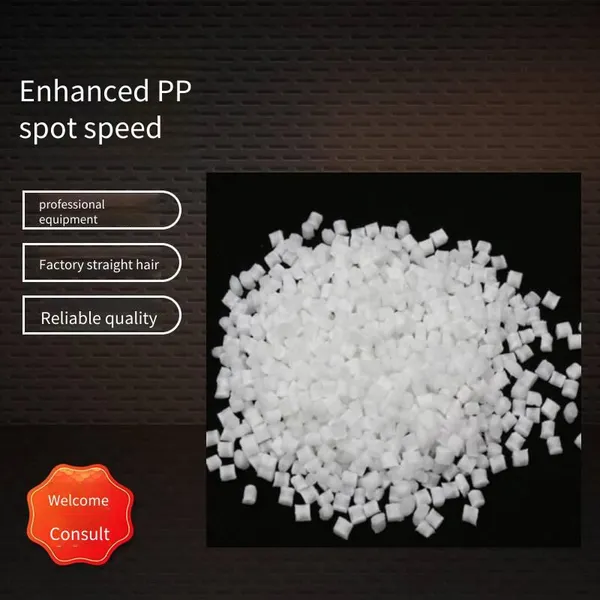
Reinforced Pp, Glass Fiber Reinforced 10-40%, High Rigidity, Corrosion ResistantNegotiableMOQ: 18 Tons
-
Toughened Nylon, Impact-resistant Material, Improves the Toughness of Products, Suitable for Making Roller SkatesUS$ 4300MOQ: 18 Tons
-
Long Carbon Chain Nylon Pa612, Low Density, Low Water Absorption, Easy Demolding, Resistant to Strong Alkalis, Seals, GasketsUS$ 10153.85MOQ: 18 Tons
-
Engineered Nylon Strong Tensile Strength at a Given Elongation, Low Water Absorption, Stable Dimensions, for Sheet Base Flat BeltUS$ 2600MOQ: 18 Tons
-
pp With Low Linear Expansion Coefficient, Weather-resistant, Outdoor Floating Sports Floor, Plastic TailgateUS$ 1850MOQ: 18 Tons
-
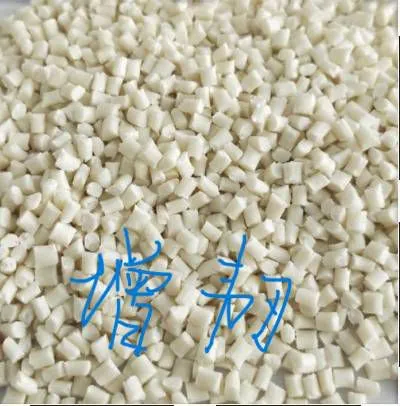
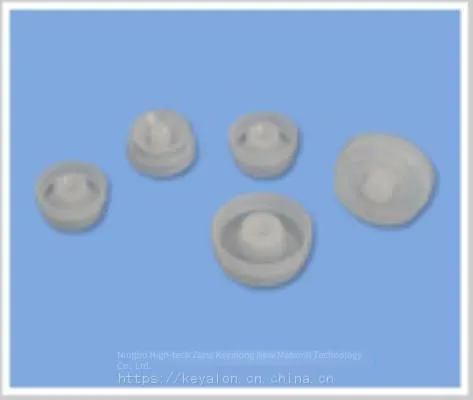
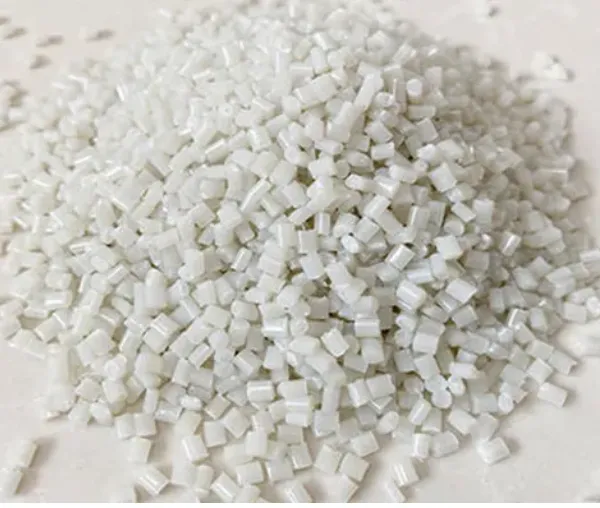
Wear-resistant Modified Pok Plastic, Environmentally Friendly, Good Toughness, Lifting Plastic Slide BlocksUS$ 3715MOQ: 18 Tons
-
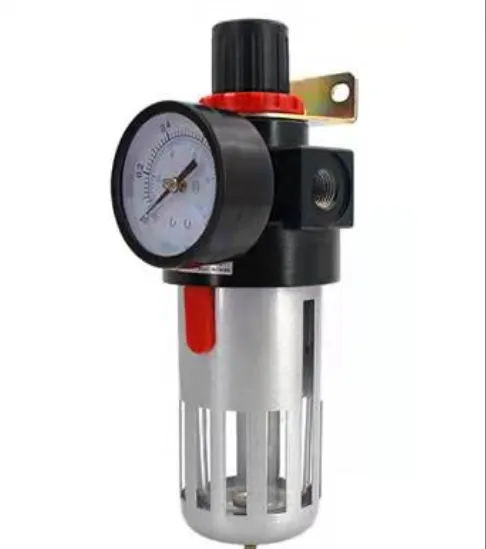
High-rigidity Nylon Material With Low Linear Expansion Coefficient Comparable to That of Aluminum Alloy, Valve Body of Air Source ProcessorUS$ 10000MOQ: 18 Tons
-
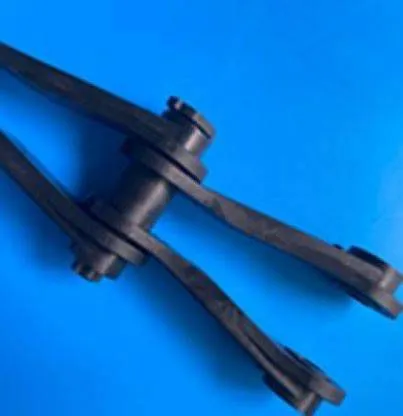
Materials for Plastic Sprockets and Chains of Air Flotation Machines, High Temperature and Corrosion Resistant, With Good StrengthUS$ 3800MOQ: 18 Tons
-
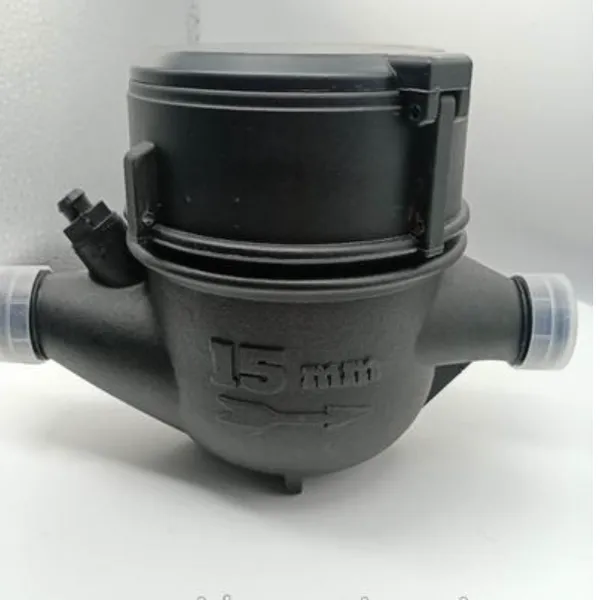
Water Meter Housing Made of Nylon Material, Creep-resistant, High Rigidity, Environmentally Friendly and Non-toxic, no Floating Fibers on the SurfaceUS$ 3000MOQ: 18 Tons
-
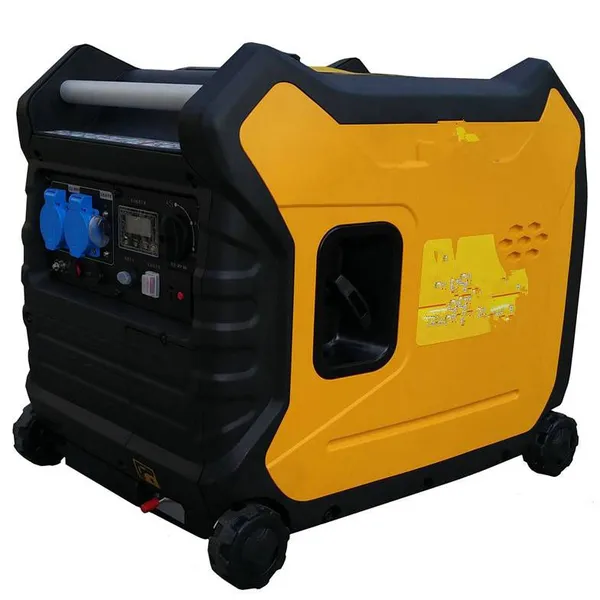
Modified pp Material, Balanced Rigidity and Toughness, Good Appearance, Generator Cover, Cleaning Machine HousingUS$ 1715MOQ: 18 Tons
-
Modified Nylon High Mechanical Strength Impact Resistance a Balance of Rigidity and Toughness Light WeightUS$ 3570MOQ: 18 Tons